
The live market is buzzing – but it’s not without turbulence. The past few post-pandemic years have reshaped the entire industry, and while fan enthusiasm remains strong, promoters everywhere are navigating economic headwinds and a rapidly changing cultural landscape. With the year almost behind us, it’s a good time to look back in order to gain insights on what the next year might hold for us and the whole live events industry .
Most of Europe’s economies have been rather stagnant lately, and rising living costs have inevitably soaked up a part of people’s budgets. Additionally, the long period of relative stability that we have come to take for granted in Europe seems to be as fragile as never before. Yet, audiences are still showing up in huge numbers for tours and festivals, proving that the desire for live experiences that also serve as safe havens from harsh realities remains unbroken. Even in a tougher climate, fans continue to crave the unique energy that only live events can deliver.
At FKP Scorpio, we’ve been part of this evolving market for over 30 years, and we’re seeing both challenges and opportunities unfold that has and will continue to change the market in the near future: The steep rise in production and touring costs is one of the biggest hurdles today. And yet, live shows have become one of the most important pillars of revenue in a post-recording music world. Add to that factors like political instability, staff shortages, or unpredictable weather caused by climate change and you get a touring landscape that demands agility and foresight like never before.
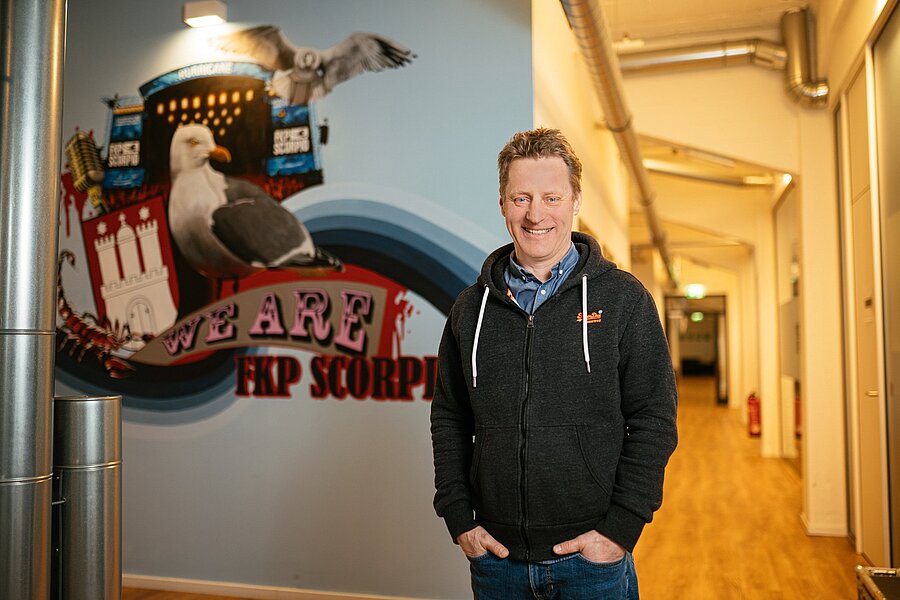
Still, our business is not about survival, it has always been evolution – for us, that means the strategic internationalization of our operations: Today, we’re capable of promoting small local shows as well as Europe-wide arena tours. Also, we’ve always managed to stay creative and explore new ways of entertainment. Over the years, FKP Scorpio has become more than just a company with 13 offices across Europe, it’s a hub for people passionate about live experiences. That includes our own staff as well as a vast network of likeminded professionals. Being part of this community, which keeps finding new ways to connect artists and audiences, remains one of our greatest achievements. Innovation also defines how we look at live entertainment itself. Beyong traditional concerts, we see a growing demand for experiential formats like immersive ehibitions, live podcasts, comedy tours, and family shows. The success of exhibitions like Formula 1, Minecraft, or Jurassic World – each selling over 300,000 tickets – has confirmed that people are eager to explore the worlds they love in new, tangible ways. To support this growing field, we even opened our own 8,000 square metre venue in Germany and developed touring exhibition infrastructure across Europe. With OBEX, our flagship project for immersive live experiences, we’re creating spaces where storytelling, technology, and emotion meet.
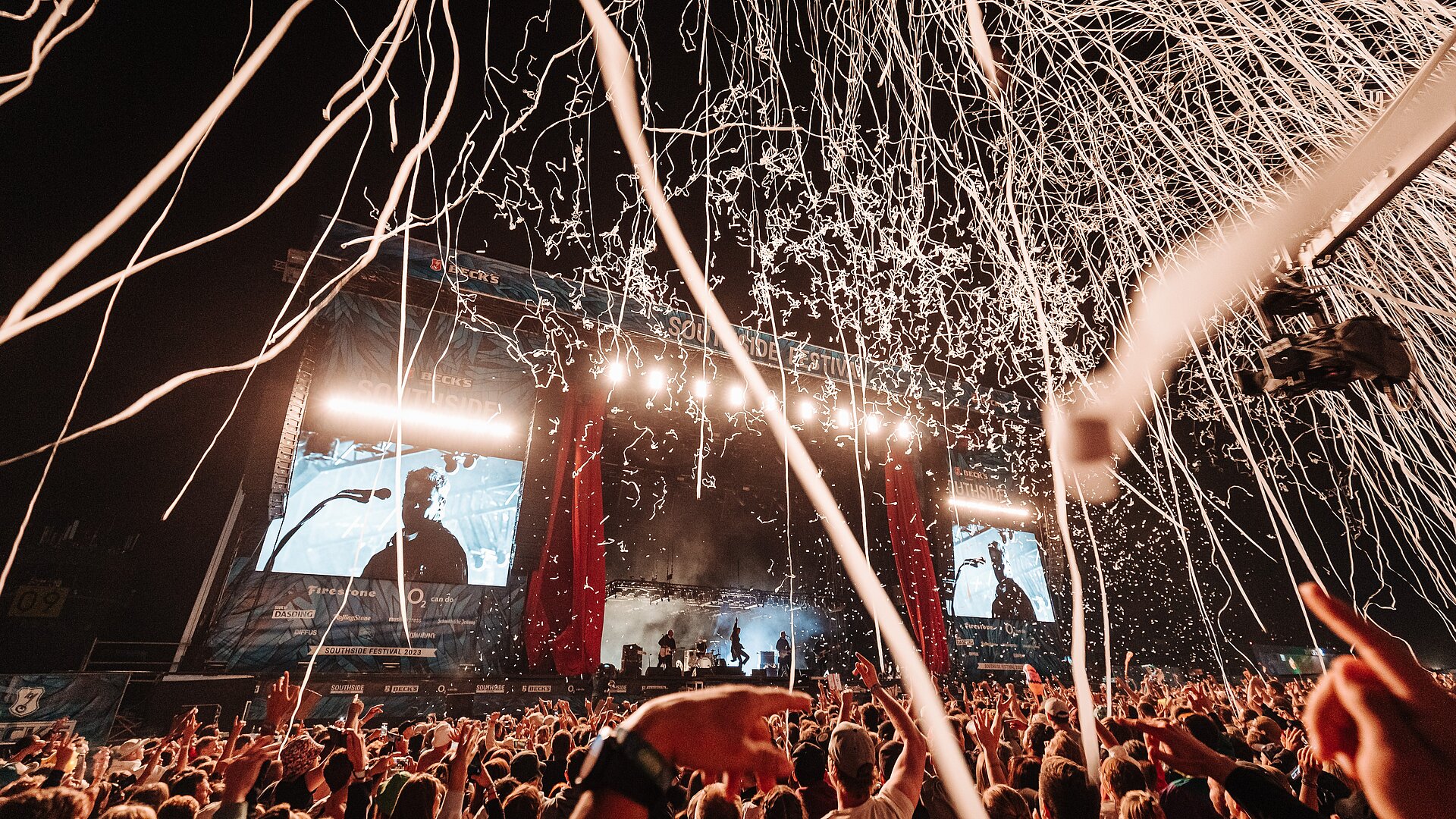
In the festival and touring space, we’ve had some standout moments too. Ed Sheeran’s “Mathematics” Tour has been one of our proudest achievements, with 22 shows across Europe and over 5 million tickets sold since 2011. Other huge stadium shows with him or The Foo Fighters are still ahead of us. Meanwhile, our twin festivals Hurricane and Southside continue to show the strength of fan loyalty: the 2026 editions sold 60,000 tickets within the first 24 hours of presale.
But success in today’s market isn’t just about scale, it’s about sensitivity. Younger audiences expect flexibility, comfort, and sustainability. Business-as-usual thinking no longer works, if it ever did. Simply throwing big budgets at massive productions or relying solely on headliners can backfire when costs are high and fans have so many choices. Events thrive when they listen to their audiences, deliver great value, and create memorable, inclusive experiences.
That’s also the key to artist development: patience and persistence. New acts need to build their fanbase step by step by playing small clubs, returning regularly, and work with promoters who truly understand the local scene while being able to scale up internationally when the time is right. In a market as competitive as ours, trust and accessibility are everything. We believe no one should be excluded from live music for financial reasons, which is why affordability remains central to our philosophy.
Ultimately, bringing people together through live entertainment and music is still what drives us. This is more important than ever, given the rising political tension observable in Europe and the world in general. In the face of division, live culture continues to be one of the most unifying forces we have.
The sailing may be tough, but the horizon is bright. The live market of the next few years will be larger, more varied, and more tech-enabled – but also, we hope, more sustainable and connected than ever. After all, the transformative power of live experiences is what got us here, and it’s what will carry us forward.